Breathing is an automatic process, but the way a person breathes can influence several aspects of their health. While breathing through the nose is generally preferred, some individuals regularly breathe through their mouths, especially during sleep or physical activity. This habit may seem harmless, but frequent mouth breathing can affect saliva production, gum condition, tooth development, and the position of the jaws. Children may be particularly affected because their facial structures and dental arches are still developing. Adults can also experience oral health concerns when mouth breathing becomes a regular pattern. Understanding its possible effects helps individuals recognize early warning signs and seek appropriate dental or medical advice before related problems become more difficult to manage.
Understanding the Causes of Mouth Breathing
Mouth breathing occurs when a person uses the mouth instead of the nose as the primary route for airflow. It may happen occasionally during exercise or when nasal passages become temporarily blocked. However, persistent mouth breathing can develop when normal nasal breathing becomes difficult. Several factors can contribute to this habit. Allergies, enlarged tonsils, enlarged adenoids, chronic nasal congestion, and structural differences inside the nose can restrict airflow. Some individuals also develop habitual mouth breathing even after the original obstruction has improved. Children may not always recognize that their breathing pattern is unusual. Parents might notice that a child frequently sleeps with an open mouth, snores, or wakes up with a dry throat. Identifying the underlying cause is important because treating nasal obstruction or another related condition may help restore more comfortable nasal breathing.
Identifying Changes in Gum and Tooth Health
The gums and teeth may experience additional stress when the mouth remains dry for extended periods. Saliva helps protect gum tissues by supporting a balanced oral environment. When dryness becomes frequent, individuals may experience irritation, bad breath, and increased plaque accumulation. Mouth breathing can also expose the front teeth and surrounding gums to continuous airflow. Some people develop dry or irritated gum tissues, particularly around the upper front teeth. Although mouth breathing does not directly cause every case of gum disease, reduced oral moisture can contribute to conditions that make proper hygiene more challenging. Another concern is tooth decay. When saliva cannot effectively neutralize acids and clear food debris, enamel becomes more vulnerable to damage. Regular brushing with fluoride toothpaste, flossing, and professional dental examinations remain important. Dentists can also identify early signs of enamel deterioration and recommend suitable preventive care.
Examining the Effects on Saliva Production
Saliva plays an important role in maintaining a healthy mouth. It helps wash away food particles, neutralize acids, support digestion, and protect tooth surfaces. It also contributes to the natural balance of bacteria inside the oral cavity. Frequent mouth breathing can increase moisture loss from oral tissues, particularly when a person sleeps with their mouth open. This may result in dryness, sticky saliva, cracked lips, and an uncomfortable feeling when waking up. Reduced moisture can also affect the mouth’s natural protective functions. Without sufficient saliva, acids produced by oral bacteria may remain on tooth surfaces for longer periods. This can increase the risk of tooth decay, especially when combined with frequent sugar consumption or inadequate oral hygiene. Drinking enough water and maintaining regular dental care can help manage dryness. However, persistent symptoms should be evaluated to determine whether mouth breathing or another condition is responsible.
Understanding Its Influence on Dental Development
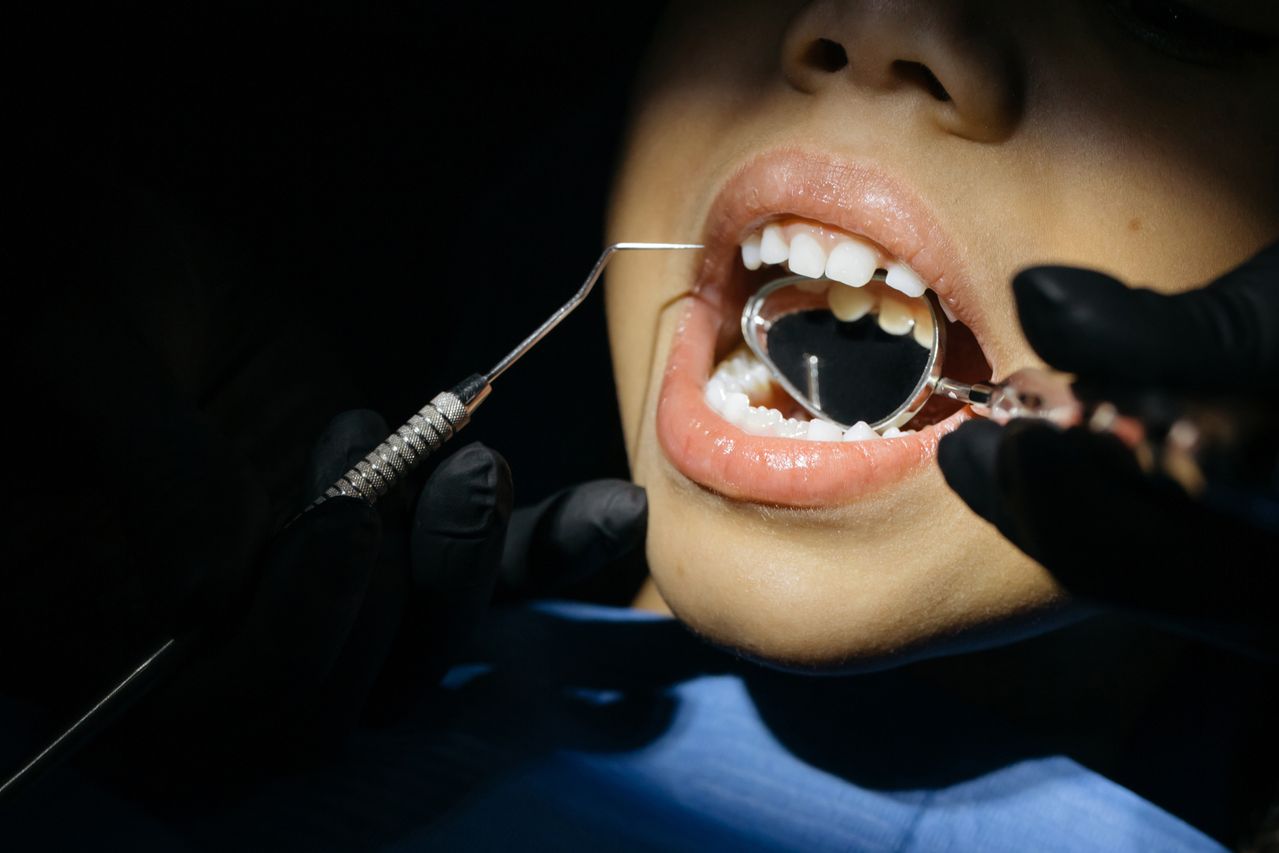
Mouth breathing may be particularly important during childhood because the teeth, jaws, and facial structures are still developing. Persistent changes in breathing patterns can influence oral muscle activity and the natural resting position of the tongue and lips. When children regularly keep their mouths open, the tongue may rest lower than usual instead of maintaining its typical position against the palate. Changes in oral muscle balance may contribute to altered dental arch development in some children. Possible associated findings include a narrow upper dental arch, crowded teeth, increased overjet, and certain bite irregularities. However, these outcomes are not inevitable. Genetics, nasal obstruction, oral habits, and other developmental factors also influence dental alignment. Early assessment by a dentist or orthodontist can help identify developing concerns. Addressing breathing difficulties may form part of a broader approach to supporting healthy facial and dental development.
Recognizing Common Signs and Symptoms
Mouth breathing is not always obvious during waking hours. Some individuals breathe through their mouths mainly at night, making the habit harder for family members to recognize. Common signs include persistent dry mouth, chapped lips, morning bad breath, frequent thirst, and sleeping with the mouth open. Children may also snore, experience restless sleep, or complain of a dry throat after waking. Some may show difficulty concentrating during the day because poor sleep can affect alertness. Parents should pay attention when these symptoms occur regularly rather than occasionally. Snoring accompanied by pauses in breathing, …